

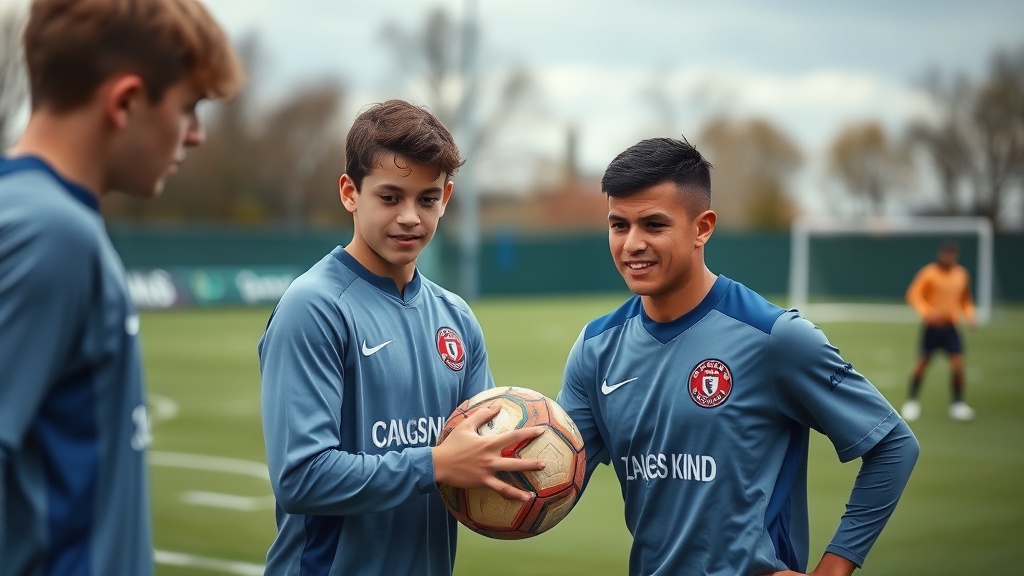
In the current competitive football landscape, elite clubs are growing recognizing that long-term achievement begins in the academy. While costly player acquisitions dominate discussions, the most winning clubs are those committing resources in young player development. This article explores how academies serve as the foundation for long-term competitiveness, examining real-world examples of clubs that have established dominance through academy-developed players. Discover why developing youth talent isn’t just advantageous—it’s essential for clubs aiming to dominate for decades to come.
Creating Strong Foundations Through Youth Development
The Strategic Importance of Foundational Stages
Youth academy programs constitute the foundation of long-term organizational success in contemporary soccer. By cultivating emerging talent, clubs build a pipeline of players who understand the organization’s philosophy, culture, and tactical principles from a young age. This core strategy reduces dependency on costly player purchases and strengthens group unity through common growth pathways. Clubs like Barcelona and Ajax have demonstrated that talent development programs produce sustained performance benefits, producing top-tier athletes while maintaining financial stability and club culture.
The financial advantages of youth development extend far beyond individual player transfers. Academies create income through player sales, reduce wage bill pressures, and create marketing value through homegrown talent narratives. Furthermore, academy graduates generally show greater loyalty and commitment to club objectives, as they’ve developed inside the organization’s ecosystem. This establishes a positive cycle where successful academy players mentor younger generations, strengthening the entire developmental pipeline and ensuring clubs stay competitive across multiple seasons and generations.
Recognizing and Developing Talent Early
Effective youth academies employ comprehensive scouting frameworks that identify potential exceeding current ability levels. Scouts assess technical competencies, physical attributes, emotional strength, and learning capacity to spot talented youth prospects. Early engagement allows coaches to shape player development systematically, correcting deficiencies while maximizing strengths. Professional academies deliver clear advancement routes, making certain players advance through corresponding age groups with consistent coaching standards. This organized strategy substantially improves the chance of producing top-tier athletes in contrast with banking on chance discovery.
Modern academies incorporate sports science, psychology, and nutrition expertise into athlete progression frameworks. Personalized training regimens address individual developmental needs while preserving age-appropriate intensity levels. Emotional coaching helps young players navigate pressure, build mental toughness, and sustain drive through difficult phases. Dietary support ensures optimal physical development during key developmental windows. These holistic development frameworks create favorable circumstances for skill refinement, developing emerging talent into accomplished professionals capable of competing at elite standards.
Establishing a Culture of Success at the Youth Level
Academy settings create foundational values that shape club ethos for years to come. Young athletes absorb winning mindsets, organizational benchmarks, and collective principles during early careers. This sustained exposure confirms that players advancing from youth ranks already demonstrate organizational standards, enabling smooth transition into established rosters. Clubs that focus on academy culture development generate performance edges transcending talent alone. Bayern Munich and Manchester City illustrate how robust youth development systems develop reliable contributors who grasp organizational demands and add substantial value to sustained success.
The psychological effect of academy development should not be overlooked in forming player character and resilience. Young athletes learn to handle competition, manage setbacks, and endure adversity within collaborative atmospheres. These experiences develop mental toughness critical for professional football careers. Academy-developed players often demonstrate superior focus and determination compared to outside acquisitions, as they’ve invested years pursuing organizational goals. This psychological foundation, integrated with technical excellence and cultural alignment, produces players who serve as invaluable contributors to enduring competitive performance and competitive reliability.
Strategic Investment In Youth Talent
Creating Financial Sustainability
Youth academy programs offer clubs a financially prudent option instead of expensive transfer market acquisitions. By cultivating homegrown players, organizations decrease reliance on costly player purchases while creating income opportunities via player transfers. Academies establish a sustainable economic model where clubs can reinvest profits into facilities and coaching personnel. This strategy allows less wealthy organizations to match the competitiveness of wealthier institutions, showing that strategic planning and player development can match financial spending power in reaching competitive excellence.
Investing in youth infrastructure necessitates considerable initial investment, but the long-term returns prove substantial. Clubs that prioritize academy development achieve improved profit margins and reduced financial risk. Young players earn less money than established stars, allowing clubs to allocate resources efficiently. Furthermore, academy graduates often demonstrate stronger dedication, decreasing player turnover and associated transition costs. This fiscal responsibility generates competitive edges that go beyond on-field performance, enabling clubs to maintain stability during market changes.
Developing Playing Philosophy Uniformity
Youth academies implement consistent playing philosophies that extend across club structures. When young players learn in unified tactical frameworks, they adopt club principles before reaching senior levels. This consistency facilitates easy movement between academy and professional squads, shortening transition phases and unlocking player development. Coaches across all age groups apply identical training methodologies, ensuring players understand positional requirements and tactical nuances from early development stages, creating organizational coherence.
A consistent strategic system enhances group dynamics and competitive performance at senior levels. Players who progress through academies already know player responsibilities and tactical demands, enabling faster integration into match conditions. This cultural alignment reduces coaching complexity and accelerates skill development. Clubs benefit from reliable growth trajectories and improved squad cohesion, as homegrown talent understand core knowledge of club principles and competitive priorities.
Long Term Benefits & Lasting Success
Youth academy programs build a long-term competitive edge that extends far beyond short-term outcomes. By developing homegrown talent, clubs create a continuous pipeline of players who comprehend the organization’s culture, playing style, and values from a young age. This structure minimizes dependence on expensive transfers and generates financial stability. Teams like Barcelona and Manchester United have illustrated how academy funding produces ongoing achievement across many campaigns, sustaining competitive quality despite market fluctuations and personnel changes.
The sustained economic impact of academy development cannot be understated. Clubs that develop internal players significantly reduce spending pressures while increasing revenue through potential player sales. Young academy graduates typically earn modest salaries initially, allowing clubs to distribute funds more efficiently across the squad. Furthermore, successful academies elevate organizational profile globally, drawing commercial interest and commercial partnerships. This self-reinforcing system of continuous improvement creates institutional strength that transcends individual seasons or management changes.
- Academy players exhibit higher commitment and allegiance to their clubs consistently.
- Internally developed players lower financial risks linked to expensive transfer expenditures.
- Youth development builds strong organizational culture and identity throughout clubs.
- Academies generate revenue through player sales and strengthen reputation standing globally.
- Continuous talent pipeline guarantees stability in competition across multiple seasons effectively.
Well-established youth academies also build institutional strength through difficult times. When clubs encounter budget limitations or coaching changes, homegrown players provide stability. These athletes have dedicated years in the club’s system and demonstrate strong familiarity of its tactical philosophy. Additionally, academy graduates often become club ambassadors, representing the organization’s values both on and off the pitch. Their presence improves team bonding and creates a positive environment that attracts further talent development investments.
Moving forward, clubs that prioritize youth academy development will dominate football’s competitive environment. The evidence is clear: sustainable success requires sustained investment to nurturing emerging players rather than pursuing short-term solutions. As spending regulations tighten globally, academy spending becomes more important. Forward-thinking organizations understand that building winning cultures through developing young talent isn’t merely beneficial—it constitutes the future direction of top-level football play and organizational sustainability.
