

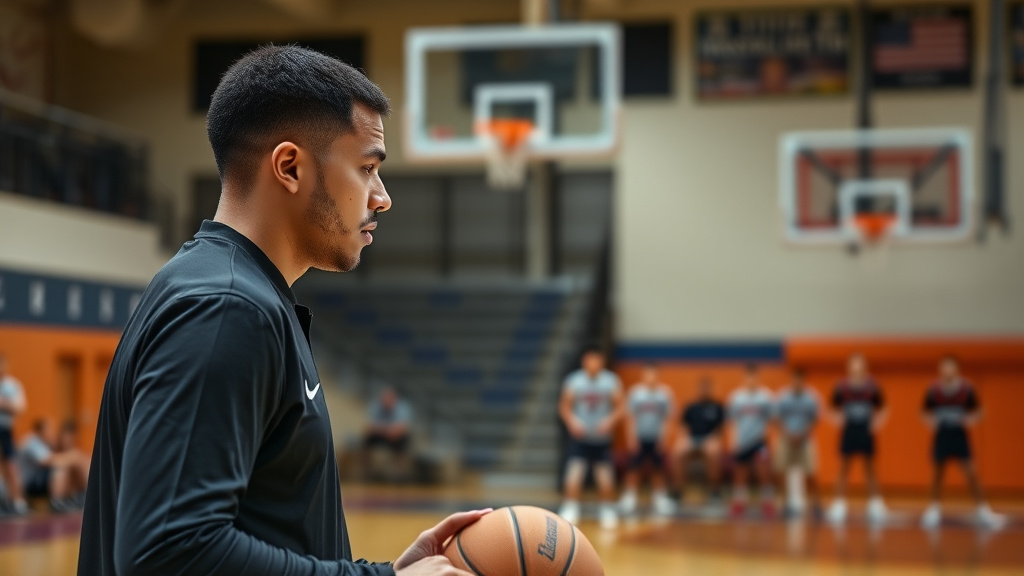
Developing emerging talent necessitates more than just practice sessions and conditioning. Experienced high school coaches understand that cultivating elite players demands a carefully balanced combination of technical development, psychological preparation, and one-on-one guidance. In this article, we’ll examine time-tested approaches that top coaches use to convert untapped ability into championship-ready players. Spanning everything from defensive basics to player leadership, uncover the proven tactics that set elite teams apart from the rest and understand how to unlock your players’ full potential.
Building a Framework: Fundamental Skill Development
Establishing a strong foundation in basketball requires coaches to focus on fundamental skill development from day one. Young players must master fundamental movements before advancing to complex strategies and game situations. This systematic approach ensures athletes develop correct movement patterns, self-assurance, and knowledge of basketball fundamentals. Coaches should stress consistent repetition, creating training settings where players improve essential skills in structured practice. By investing time in fundamental training, coaches build skilled, adaptable athletes ready for advanced competition and strategic demands.
Well-designed skill development programs combine personalized coaching with team-based drills that simulate match conditions. Coaches should analyze individual player skill levels and create personalized development plans addressing identified areas of improvement. Consistent communication and advancement measurement support player commitment while pinpointing areas needing additional focus. Successful programs integrate skill instruction with game application, helping players to understand how techniques apply in competition. This comprehensive approach transforms core techniques into ingrained habits that athletes perform automatically during match play.
Dribbling Skills and Court Awareness
Exceptional ball control separates elite point guards from average players, making ball handling exercises vital to any development program. Coaches should establish advancing skill drills beginning with stationary ball work before progressing to varied movement drills. Players benefit from training with both hands equally, building two-handed proficiency that increases unpredictability and court effectiveness. High-intensity drills under defensive pressure mirror game conditions, readying athletes for live competition scenarios. Consistent practice creates the muscle memory necessary for instinctive ball control during rapid-tempo play.
Court vision involves the ability to predict where teammates will go and execute precise passes in various situations. Coaches develop this skill through position-specific drills emphasizing spacing and timing, teaching players to recognize defensive alignments with speed. Three-on-three and five-on-five scrimmages provide valuable opportunities for players to practice decision-making in high-pressure moments. Highlighting successful passes during game film analysis reinforces positive habits and increases player confidence. Players who excel at these techniques become essential team contributors, generating scoring chances while managing the pace of play.
Defensive Basics and Strategic Positioning
Excellent defensive fundamentals form the foundation of competitive basketball teams, requiring rigorous preparation and precise performance. Coaches need to instruct proper stance, stepping technique, and arm positioning that allow athletes to contest shots effectively while preserving stability. Individual defensive drills must focus on maintaining a low profile, shifting across the floor, and predicting opponent actions. Players benefit from understanding core defensive concepts like gap responsibility and weak-side support that enhance team defense. Consistent drill work creates automatic responses, allowing players to act automatically during games without deliberating on placement.
Positioning awareness distinguishes elite defenders from average defenders, requiring coaches to emphasize positioning angles and opponent tracking. Players must grasp how their individual positioning supports team defense structure and the broader strategic approach. Video analysis allows players identify offensive patterns and anticipate plays before execution. Defensive training sessions should recognize communication, engagement, and strategic positioning rather than only counting steals or blocks. Creating a defensive-oriented environment promotes players to emphasize stopping opponents and team protection.
Developing a High-Performing Team Culture
Building a winning team culture starts with establishing clear standards and principles that every player grasps and accepts. Great coaches foster a setting where responsibility, respect, and dedication are essential. This foundation allows developing players to develop security while challenging themselves to achieve excellence. When players know what’s expected and see coaches exemplifying these standards daily, they naturally strengthen their dedication to team objectives and individual growth.
Team culture flourishes when coaches recognize individual growth while highlighting collective success. Acknowledging effort, improvement, and leadership—not just scoring—strengthens the values you want to foster. Establishing rituals, developing authentic connections among players, and maintaining consistent communication establishes trust and loyalty. Players who experience recognition and part of something meaningful are more motivated, resilient, and willing to give for their teammates, ultimately establishing the togetherness necessary for sustained winning.
