

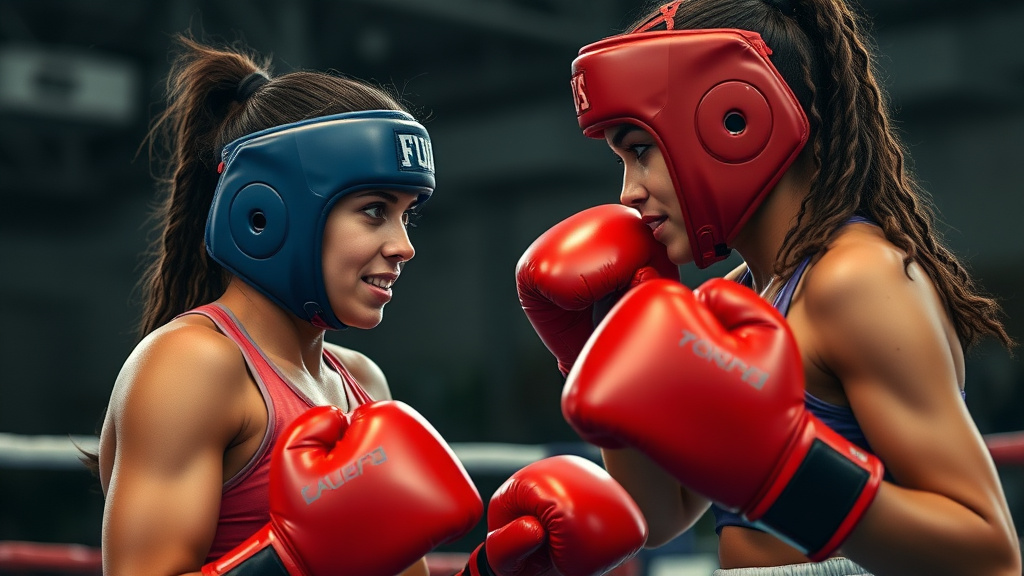
For years, professional boxing has been a male-dominated sport, but modern female athletes are challenging stereotypes and transforming what’s possible in the ring. From amateur ranks to championship titles, women boxers are proving that dedication and outstanding talent know no gender. This article discusses the compelling paths of pioneering athletes who’ve overcome systemic obstacles, earned comparable status, and transformed professional boxing into a authentically inclusive sport. Discover how these athletes continue breaking barriers and motivating the next generation.
Rising Champions: The Growth of Women in Boxing
Women’s boxing has undergone a remarkable transformation over the last twenty years, moving beyond a overlooked activity into a thriving professional arena. Contemporary women boxers perform at the elite standard, showcasing technical excellence, strategic brilliance, and steadfast resolve. This transformation illustrates wider cultural changes toward parity in sports, where women in sports now receive recognition, corporate support, and media coverage historically limited to men. The activity has transformed into a important medium for gender-based empowerment and competitive success.
The path to recognition has been anything but simple, requiring many women to challenge established conventions and systemic opposition. Modern female champions stand on the shoulders of trailblazers who fought tirelessly for recognition and access. Present-day triumphs represent sustained commitment, resilience, and remarkable ability. These ascendant competitors motivate people around the world, demonstrating that excellence in boxing transcends gender and that skill paired with resolve creates unstoppable force in professional sports.
Historical Struggles and Early Pioneers
Women’s boxing encountered significant legal and social barriers throughout the twentieth century. Many jurisdictions prohibited female boxing competitions altogether, regarding the sport as at odds with traditional gender expectations. Early pioneers like Babs Omole and Barbara Buttrick fought not only opponents in the ring but also biased restrictions restricting their access. These courageous athletes jeopardized their standing and careers to follow their dreams. Their determination laid crucial groundwork for future generations pursuing acknowledgment.
The 1990s marked a turning point when a growing number of jurisdictions permitted women’s professional boxing, though resistance remained significant. Female boxers continued to face unequal compensation, limited media coverage, and restricted access to training facilities in comparison to male rivals. Despite these obstacles, athletes including Christy Martin and Lucia Rijker accomplished impressive success, demonstrating women could draw audiences and provide engaging performances. Their triumphs transcended personal achievement, challenging long-held beliefs about women’s athletic capabilities and establishing boxing as a sustainable career path for aspiring female competitors.
Modern Era Success Stories
Today’s women boxers have achieved unprecedented heights, with champions like Katie Taylor and Canelo Alvarez’s contemporary fighters earning championship belts across multiple weight classes. These athletes attract significant purses, headline major events, and draw global audiences internationally. Their success proves that female boxing produces significant income and sporting appeal. Modern champions merge technical mastery with engaging storylines, creating engaging sporting spectacles that engage international viewers and secure lucrative sponsorship deals previously unavailable to female athletes.
Contemporary accomplished boxers leverage improved training centers, professional coaching, and organizational backing that earlier pioneers lacked. Athletes like Claressa Shields and Amanda Serrano have transcended boxing, establishing themselves as household names and global representatives. Their accomplishments motivate female youth to take up professional boxing, building a sustainable pipeline of athletic talent. These contemporary achievements showcase the result of years of advocacy and persistent work, transforming women’s boxing into a esteemed, flourishing professional discipline where female competitors earn respect, esteem, and financial security equal to their male counterparts.
Addressing Systemic Challenges
Women boxers have historically faced major systemic barriers that limited their opportunities and recognition. From restricted access to quality training facilities and financial backing to unequal prize purses and press attention, female athletes navigated a system designed to exclude them. Despite these challenges, determined fighters pressed forward, creating their own training programs, seeking international competitions, and developing grassroots support. Their resilience challenged outdated regulations and compelled governing bodies to acknowledge women’s rightful place in professional boxing, gradually dismantling unfair practices that had long hindered their progress.
The struggle for equality goes further than the ring, including fair pay, broadcasting rights, and promotional support. Modern female boxers continue advocating for equal treatment, demonstrating that women’s matches produce substantial viewership and revenue. By refusing to accept second-class status, these athletes secured better contracts, secured prime-time slots, and attracted major sponsorships. Their collective voice has transformed industry standards, proving that investment in women’s boxing serves everyone. Each victory in the ring symbolizes progress toward structural reform and paves the way for future generations to compete without facing the barriers their predecessors endured.
The Evolution of Women’s Professional Boxing
The direction of women’s boxing careers indicates remarkable expansion and potential. With greater media attention, sponsorship agreements, and dedicated fan bases, female boxers now benefit from stages that previous generations could only dream of. Major boxing organizations are expanding women’s divisions, introducing more competitive divisions and title fights. As younger girls witness accomplished competitors competing at the highest levels, participation in amateur boxing programs continues to surge internationally. This growth trajectory suggests a future where equal opportunity in boxing careers becomes standard rather than the exception.
Looking ahead, the sport stands at a crucial moment of transformation. Sustained investment in women’s boxing facilities, fair pay equity, and primetime media exposure will cement the sport’s growth trajectory. The next generation of female pugilists will benefit from opportunities that current trailblazers struggled to build, allowing them to focus solely on developing their craft. As barriers continue to crumble, women’s professional boxing stands ready to recruit elite athletes from diverse backgrounds, elevating the sport’s standard of competition and engaging audiences worldwide with their remarkable talent and resolve.
