

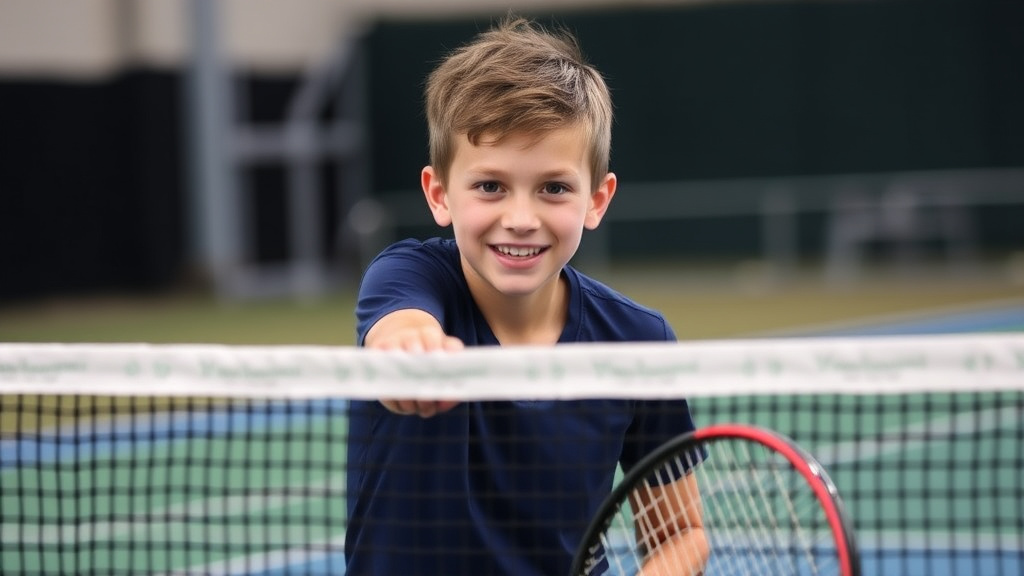
The Tennis Coaching Association has released detailed new guidelines created to revolutionize youth player development while focusing on safety both on and off the court. These new standards cover critical areas including injury prevention, age-appropriate training protocols, psychological support, and coaching credentials requirements. As youth tennis participation keeps growing globally, these evidence-based guidelines set best practices that coaching professionals, families, and administrators must put into practice to guarantee young athletes build their abilities responsibly while preserving their emotional and physical well-being during their tennis development.
Important Changes in Player Development Requirements
The Tennis Coaching Association’s revised guidelines represent a significant evolution in how youth players are developed and trained. These standards integrate the most current findings in sports science, biomechanics, and athletic psychology to develop a more comprehensive approach to athlete development. Coaches are now required to implement customized workout schedules that account for each player’s individual physical maturity, technical abilities, and psychological readiness. The new framework emphasizes staged skill advancement over early specialization, allowing young athletes to establish a solid base while maintaining enjoyment of the sport.
Implementing these standards requires coaches to finish specialized certification programs and engage in ongoing professional development. The guidelines require periodic evaluations to track player progress across technical, tactical, physical, and psychological dimensions. Additionally, coaches need to keep detailed records of practice activities and athlete performance data to ensure accountability and transparency. These extensive guidelines aim to reduce burnout, avoid harm, and promote sustained competitive achievement while creating a more secure and encouraging setting for all young athletes across various skill levels.
Age-Relevant Training Standards
The revised guidelines define detailed training approaches designed for different age groups, recognizing that developing athletes have varying physical capacities and maturation demands. For athletes in the 6-10 age group, training focuses on basic movement patterns, essential tennis mechanics, and love of the game. Programs prioritize cross-sport training to develop overall athleticism and motor coordination. Coaching sessions are brief, increasingly diverse, and game-based to keep players engaged. Coaches need to minimize repetitive drills and limit extended court exposure to avoid repetitive strain injuries and fatigue during this critical developmental period.
For adolescent players aged 11-18, training becomes progressively more specialized while maintaining balanced development. The guidelines recommend periodized training plans that incorporate off-season fitness work, skill refinement, and tactical development. Conditioning and strength initiatives must be suitable for their age, steering clear of heavy lifting for younger teens. Coaches should progressively raise training intensity and volume as athletes develop physically. Mental skills training, such as goal setting and managing stress, becomes increasingly important during this stage. Regular monitoring ensures athletes progress across all areas without excessive training or neglecting other key areas of their lives.
Psychological Growth and Resilience Building
The revised standards recognize mental health as equally important as physical development in youth tennis. Coaches are now trained to identify indicators of anxiety, depression, or excessive pressure in young players and know when to direct them to mental health professionals. Programs incorporate strategies for building resilience, including positive self-talk, visualization techniques, and practical ways for handling competition stress. Building a supportive team environment where mistakes are viewed as learning opportunities enables young athletes build confidence and emotional stability. Coaches must weigh competitive goals with the emotional health of their players.
Mental development initiatives include helping young players target-setting competencies, emotional regulation, and constructive response to both success and failure. The guidelines highlight the value of transparent dialogue between instructors, guardians, and competitors regarding mental health concerns. Training programs now feature sections on identifying exhaustion, handling competitive stress, and keeping balance about tennis within the broader context of life. Coaches are encouraged to foster internal drive rather than depending exclusively on external rewards, helping young athletes cultivate real love for the sport while strengthening emotional strength that transcends tennis.
Safety Measures and Injury Avoidance
Complete Injury Prevention Guidelines
The updated guidelines stress a comprehensive approach to injury prevention that addresses the unique vulnerabilities of young athletes. Coaches must introduce mandatory warm-up routines, appropriate technique training, and incrementally higher training demands that prevent overuse injuries. The association advises periodic movement evaluations to catch concerns before they worsen and develop personalized training regimens that enhance core stability and improve flexibility, substantially lowering injury rates.
Clinical Oversight and Crisis Readiness
All youth coaching facilities must have certified medical personnel on-site during practice sessions and competitions. Coaches are required to complete first aid and CPR certifications, with refresher training every two years. The guidelines mandate detailed injury reporting systems and set forth clear protocols for addressing acute injuries, including immediate care procedures and return-to-play timelines that prioritize athlete health over competitive pressures and recovery timelines.
Equipment Specifications and Playing Surface Requirements
Proper choice of equipment is critical for youth player safety and development. The association outlines age-suitable racket weight specifications, string tensions, and court surface requirements designed to minimize impact stress on young bodies in development. Guidelines require routine facility checks, maintenance of appropriate court conditions, and mandatory use of protective gear including proper footwear and proper hydration guidelines throughout all training sessions and competitive matches.
