

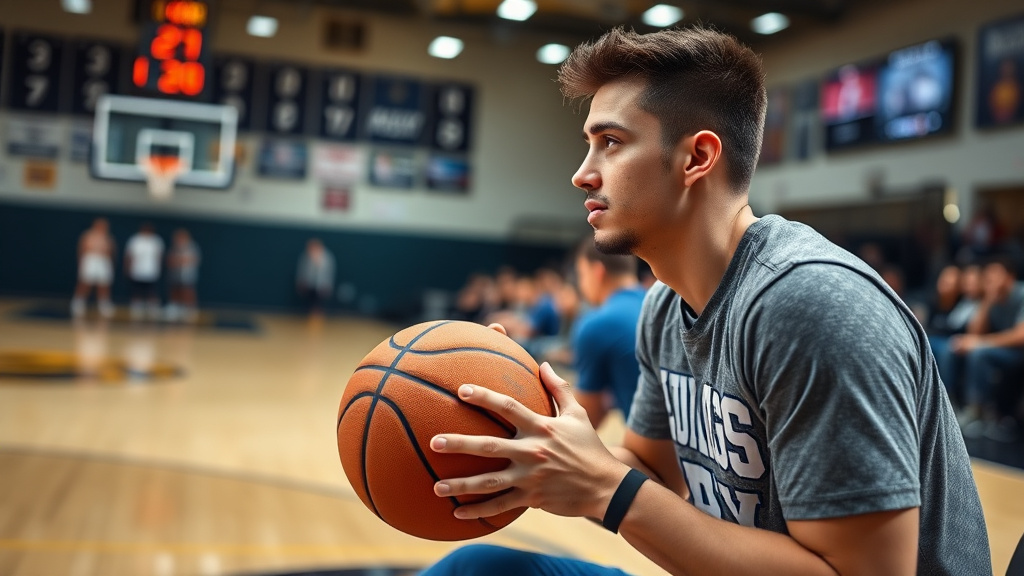
College basketball programs across the nation are understanding that athletic excellence necessitates more than physical training. As student-athletes deal with increasing demands from competitive play, academic responsibilities, and media attention, universities are greatly enhancing wellness resources and institutional frameworks. This article examines how top-tier institutions are introducing integrated support initiatives, from sports psychologists to counseling services, fundamentally transforming the culture around mental health in collegiate basketball and creating benchmarks for player wellbeing and wellbeing.
The Rising Mental Health Crisis in Collegiate Basketball
College basketball student athletes encounter significant mental health difficulties in the current intense environment. The convergence of rigorous athletic competition, rigorous academic requirements, and ongoing media attention generates a convergence of stressors that can overwhelm even the strongest individuals. Studies indicate concerning rates of anxiety, depression, and burnout among college basketball players, with many suffering in silence due to fear and stigma of appearing weak to coaches and teammates.
The crisis has arrived at a turning point, leading institutions to recognize that mental wellness is just as vital as physical conditioning. Student-athletes often face distinct challenges including competitive stress, trauma from injuries, and the weight of showcasing their institutions on national stages. Acknowledgment of these issues has sparked a transformative shift in how college basketball programs support their athletes, going past conventional athletic medicine to embrace comprehensive mental health support systems that tackle the mental pressures of elite collegiate athletics.
Full-Range Mental Health Services and Resources
Modern college basketball programs acknowledge that mental health support is as essential as physical conditioning. Universities are establishing integrated wellness centers supported with certified psychological experts, counselors, and sports psychiatrists who specialize in performance-related pressures. These comprehensive services manage anxiety, depression, performance pressure, and adjustment difficulties, establishing safe spaces where student-athletes can receive care without stigma. By investing in mental health infrastructure, programs reflect commitment to holistic athlete development and long-term wellbeing beyond their playing careers.
Campus-Based Therapy and Support Services
Top-tier basketball programs have established specialized counseling resources tailored directly for student-athletes’ distinct needs and schedules. These campus-based services employ mental health professionals experienced with sports psychology who grasp the distinct demands college athletes experience. Programs provide adaptable meeting times supporting practice commitments, team travel, and game commitments. Confidentiality measures encourage athletes to seek help openly, while culturally competent counselors address different backgrounds and experiences. Commitment in these programs reflects organizational dedication to promoting athletes’ emotional strength and psychological development throughout their university time.
Therapy programs move past crisis intervention to include preventative mental health education and skill-building workshops. Student-athletes learn coping strategies, stress reduction methods, and emotional regulation tools applicable in all aspects of their lives. Group sessions build community connections and normalize mental health conversations among teammates. Many programs integrate sports psychologists directly into coaching staffs, ensuring mental performance coaching enhances physical training. Ongoing evaluations monitor athlete wellbeing trends, allowing programs to refine services and address emerging mental health concerns proactively and compassionately.
- One-on-one therapeutic sessions focusing on personal mental health challenges
- Group counseling programs promoting peer support and community connection
- Athletic performance coaching improving performance and mental resilience
- Emergency support services offering immediate support during emergencies
- Addiction treatment and prevention initiatives facilitating paths to recovery
Establishing a Positive Team Culture and Setting
Developing a mentally healthy basketball program requires far beyond personal counseling alone—it demands a significant change in team values and organizational values. Leading college basketball programs are deliberately creating spaces where mental health dialogue becomes routine and accepted. Program leaders and athletic administrators are stressing that asking for help is a sign of strength, not vulnerability, urging players to place emphasis on their psychological wellbeing together with physical performance. This organizational shift features sessions focused on mental health awareness, peer support networks, and leadership training that prepares captains and veteran players to notice when teammates require help.
Effective programs implement comprehensive team-based approaches that embed mental health into everyday functioning and long-term strategic planning. Many universities now carry out routine psychological assessments, establish clear protocols for emergency response, and provide supportive environments where athletes may openly share challenges without fear of criticism or reduced playing time. By embedding mental wellness into the core of team identity, basketball programs exhibit authentic dedication to comprehensive player development. This nurturing setting not only enhances athlete resilience but also builds team cohesion, communication, and athletic excellence, proving that psychological support enhances athletic success.
Assessing Success and Future Efforts
College basketball programs are establishing quantifiable indicators to evaluate the impact of their mental wellness efforts. Universities track athlete engagement levels counseling services, document variations in reported stress and anxiety levels, and assess overall team unity and athletic performance. By collecting data on psychological well-being paired with athletic metrics, programs illustrate that mental health investment strongly connects to improved player retention, scholastic performance, and competitive results. These research-supported methods validate continued funding and development of mental health resources.
Looking ahead, the future of collegiate basketball mental health support promises even increased innovation and accessibility. Programs are investigating virtual therapy options, peer-support networks, and early intervention strategies for at-risk athletes. Universities are also working together with professional sports organizations to share best practices and establish standardized mental health protocols. As the conversation around athlete wellness develops, college basketball programs remain committed to prioritizing student-athlete mental health as an essential component of overall athletic development and long-term success.
