

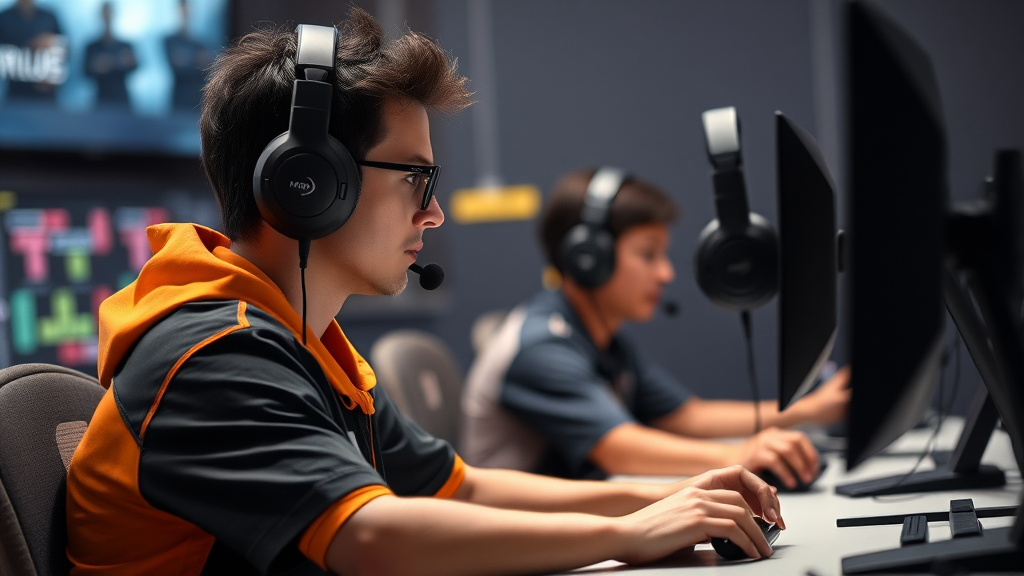
The esports industry, previously regarded as mere gaming, has transformed into a multi-billion-dollar competitive arena where professional players encounter unparalleled psychological pressures. From intense training regimens and intense match stress to online criticism and career uncertainty, esports athletes increasingly struggle with psychological difficulties. Recognizing this critical need, leading organizations are currently introducing extensive wellness initiatives, such as counseling, sports psychology, and support services. This article explores how competitive organizations are focusing on athlete wellness and reshaping the industry’s approach to mental health.
The Rising Psychological Wellbeing Emergency in Esports
Professional esports has transformed into a high-stakes industry where players face significant psychological pressures. The competitive landscape integrates rigorous training regimens, performance pressure, and ongoing public attention through online platforms. Players often face inconsistent sleep schedules, bodily fatigue from extended gaming sessions, and the ongoing concern of professional irrelevance. These factors create a perfect storm for psychological difficulties, with anxiety, depression, and burnout rising in frequency among competitive players at various skill levels.
The psychological wellbeing challenge in esports extends beyond solo competitors to affect whole teams and the industry’s reputation. Many teams traditionally overlooked psychological support, concentrating solely on technical skill training and strategic gameplay. However, recent studies demonstrates that untreated mental health issues directly impact competitive output, group unity, and career longevity. Progressive organizations now recognize that supporting mental health services is not merely an ethical imperative but a competitive edge that improves athlete retention, improves competitive outcomes, and fosters more positive gaming environments.
Establishing Comprehensive Mental Health Programs
Professional esports organizations are acknowledging that mental health support requires a structured, multi-faceted approach. By implementing comprehensive mental health programs, teams can tackle the particular psychological pressures of professional esports while building protected settings where players feel comfortable seeking help. These programs extend across individual counseling to organization-wide wellness programs, demonstrating company-wide commitment to player well-being past competitive results and championship success.
Specialized Counseling Services
Setting up dedicated counseling services serves as a foundation of effective mental health programs in esports organizations. Licensed mental health professionals, including therapists and psychologists, provide confidential support addressing anxiety, depression, burnout, and interpersonal conflicts. These services guarantee players gain quick access to trained experts who understand both mental health principles and the unique stressors present in competitive esports environments.
Comprehensive counseling programs deliver flexible scheduling suited to players’ demanding training regimens and tournament schedules. Organizations commonly provide both one-on-one counseling and group workshops focusing on stress management, resilience building, and healthy coping mechanisms. By integrating mental health support within team culture, organizations lower barriers to acceptance and foster willingness to seek assistance among players.
- One-on-one therapy sessions customized for client needs
- Crisis response assistance on hand twenty-four hours
- Group workshops on managing stress techniques
- Family counseling addressing external relationship pressures
- Peer support groups fostering player-to-player connections
Success Stories and Sector Impact
A number of prominent esports organizations have pioneered mental health initiatives with impressive results. Team Liquid and FaZe Clan incorporated sports psychologists into their coaching staff, documenting better athlete outcomes and reduced burnout rates. These positive examples demonstrate that focusing on psychological health is closely linked to competitive success, questioning the old belief that psychological support weakens competitive drive. Players openly credit mental health resources with extending their careers and enhancing their overall standard of living within professional gaming.
The industry-wide integration of mental health services is reshaping esports culture fundamentally. Leading competitions and organizations now require mental health resources for participating teams, establishing new standards for athlete safeguarding. This change has drawn mainstream sponsors and investors who acknowledge the legitimacy and professionalism of organizations emphasizing athlete welfare. As mental health support gains acceptance, younger players entering esports benefit from existing support systems, creating a healthier and more sustainable competitive environment that strengthens the entire industry’s reputation and long-term viability.
Future Opportunities for Mental Well-being in Esports
The esports industry stands at a critical juncture where mental health integration will define organizational success and player longevity. Progressive teams are allocating resources to preventative mental wellness programs, establishing peer support networks, and integrating psychological care as a standard component of athlete development. As the competitive landscape grows more competitive, organizations that prioritize robust psychological support systems will attract elite talent and promote sustainable career trajectories. The evolution toward holistic player care reflects broader industry maturation and recognition that championship performance is rooted in psychological resilience and emotional well-being.
Looking ahead, esports organizations must implement cutting-edge strategies including VR-based therapeutic interventions, AI-powered mental health monitoring, and specialized esports psychology certifications. Coordinated efforts across teams, leagues, and psychological experts will create universal best practices and evidence-based protocols. Educational initiatives focused on players, coaches, and organizational staff will further diminish stigma surrounding wellness dialogues. By advancing evidence-based psychological support and building climates of candor, the esports industry can transform from responsive emergency intervention to proactive wellness optimization, ultimately establishing itself as a leader in sports performer wellness management across all organized sports competition.
